King’s Landing curfew
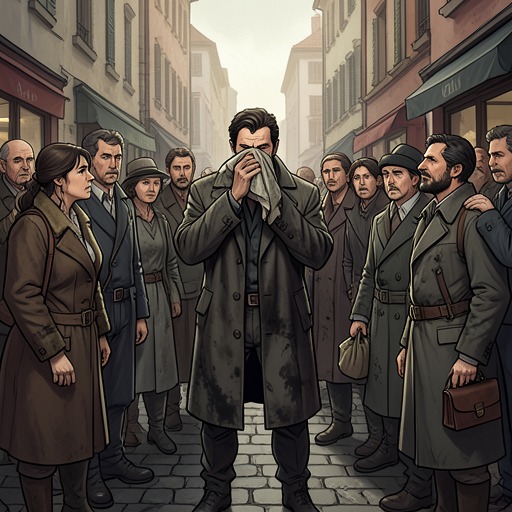
Fire & BloodKing’s Landing curfew was an emergency restriction imposed by Queen Alicent Hightower after the Shepherd’s followers were defeated. It made being on the city streets after dark unlawful and placed the streets under renewed patrol. The measure brought a degree of order to a capital recently threatened by a popular uprising, but it did not settle who would rule the realm or secure the allegiance of Driftmark.
Proclamation and Purpose
The curfew followed the assault on the Dragonpit and the subsequent defeat of the Shepherd’s diminished following. Queen Alicent proclaimed it in the name of her son, whom she recognized as the true king. The restriction marked a change from open revolt and competing claims to a direct attempt to regulate movement through the city: after dark, presence in the streets itself became unlawful.
The timing framed the curfew as a response to immediate disorder, not as a general account of ordinary city law. The uprising had shown that crowds could gather and move through King’s Landing in numbers that overwhelmed the remaining loyal City Watch. The proclamation sought to prevent a recurrence by restricting nighttime movement and reinforcing the forces available to the crown.
Enforcement and the Return of Order
The City Watch was re-formed under Perkin the Flea, with responsibility for enforcing the curfew. Lord Borros Baratheon and his stormlanders manned the city gates and battlements, extending the response beyond street patrols to the capital’s defensive approaches. The measures combined control of movement within the city with a military presence at its entrances and walls.
The account describes the result cautiously: peace returned to King’s Landing, but only “after a fashion.” The Shepherd and two other claimants who had been styled kings were held in the dungeons, while the city’s security rested on watchmen and armed forces. The curfew therefore accompanied a restored royal presence without demonstrating that the underlying political divisions had disappeared.
Political Limits and Significance
The immediate restoration of order did not resolve the contest between the rival royal claims. The return of the king depended on the Velaryons of Driftmark, whose ships and swords remained essential. In negotiations, Corlys Velaryon refused to bend the knee on the terms offered and instead sought pardons for those who had supported Queen Rhaenyra, a dynastic settlement involving the heirs, and Baela’s release. The curfew could restrict movement in the capital; it could not by itself secure Driftmark’s allegiance or reconcile the opposing sides.
The measure also contrasts with the public ceremonies through which royal authority had been asserted earlier in the conflict, including Aegon’s coronation before a crowd in the Dragonpit. In the aftermath of the uprising, authority was expressed less through a gathering of subjects than through a prohibition, patrols, and guarded gates. The curfew’s significance lies in that narrower achievement: it helped contain disorder in King’s Landing while leaving the kingdom’s struggle for legitimacy unresolved.